
You open your laptop and try to figure out who's close to their limit, who needs an invoice this week, and whether that 2.5 hour session you logged on Tuesday was for the right client.
Where do you look?
If you're like most freelancers, the answer is: a spreadsheet you haven't updated in four days, a Toggl account with three projects named inconsistently, and a Notes app on your phone with a half-finished calculation from last Thursday.
This is the system. And it works. Until it doesn't.
The tools most freelancers are using right now
Let's be real about what the current setup actually looks like for most people.
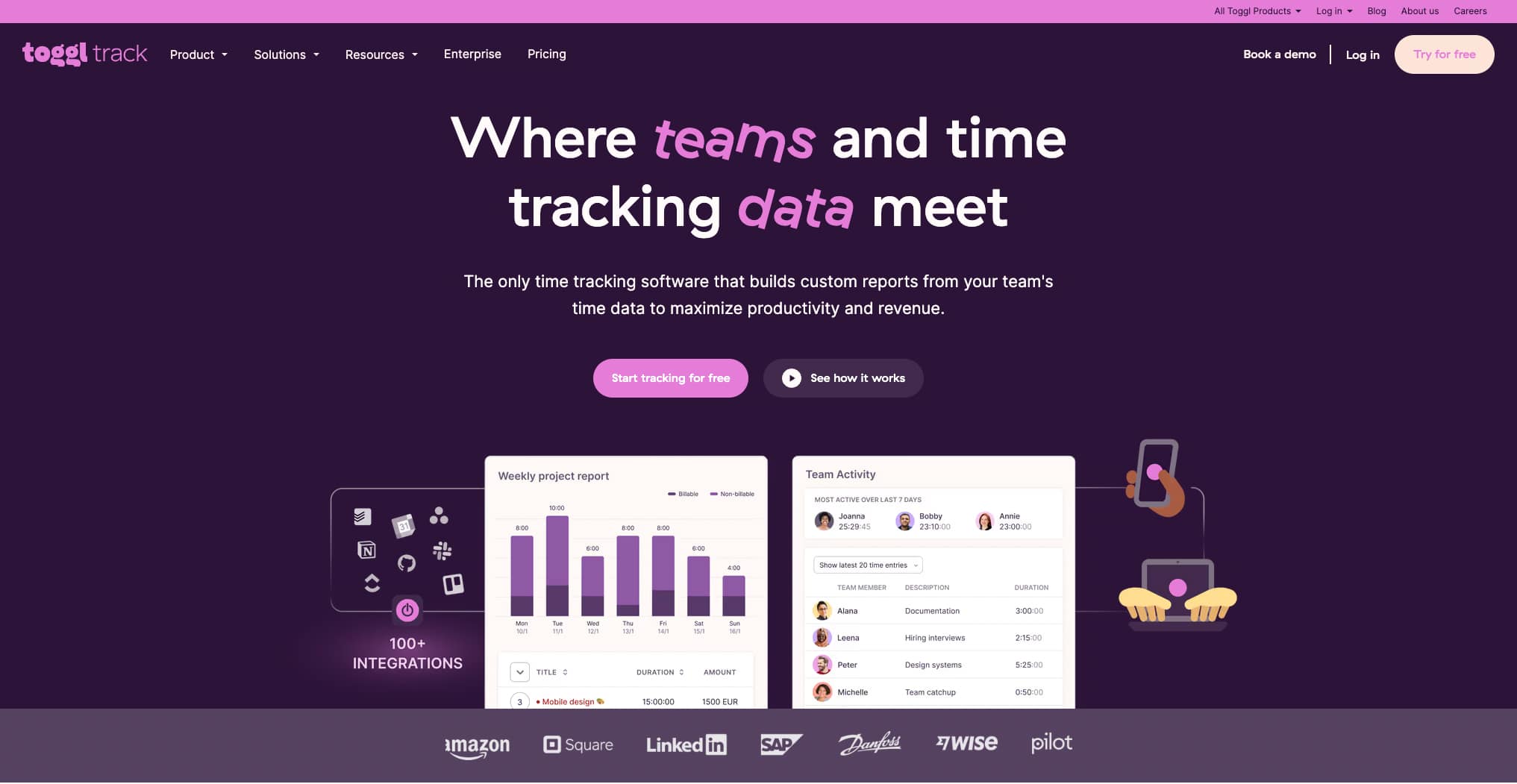
Toggl Track is the most popular time tracker in the freelance world and it's genuinely good at what it does — starting a timer, logging hours, generating reports. The problem is it's built for you, not your client. There's no way to give a client a live view of their hours. You can export a PDF at the end of the month, but that's a static document, not a window into what's happening.
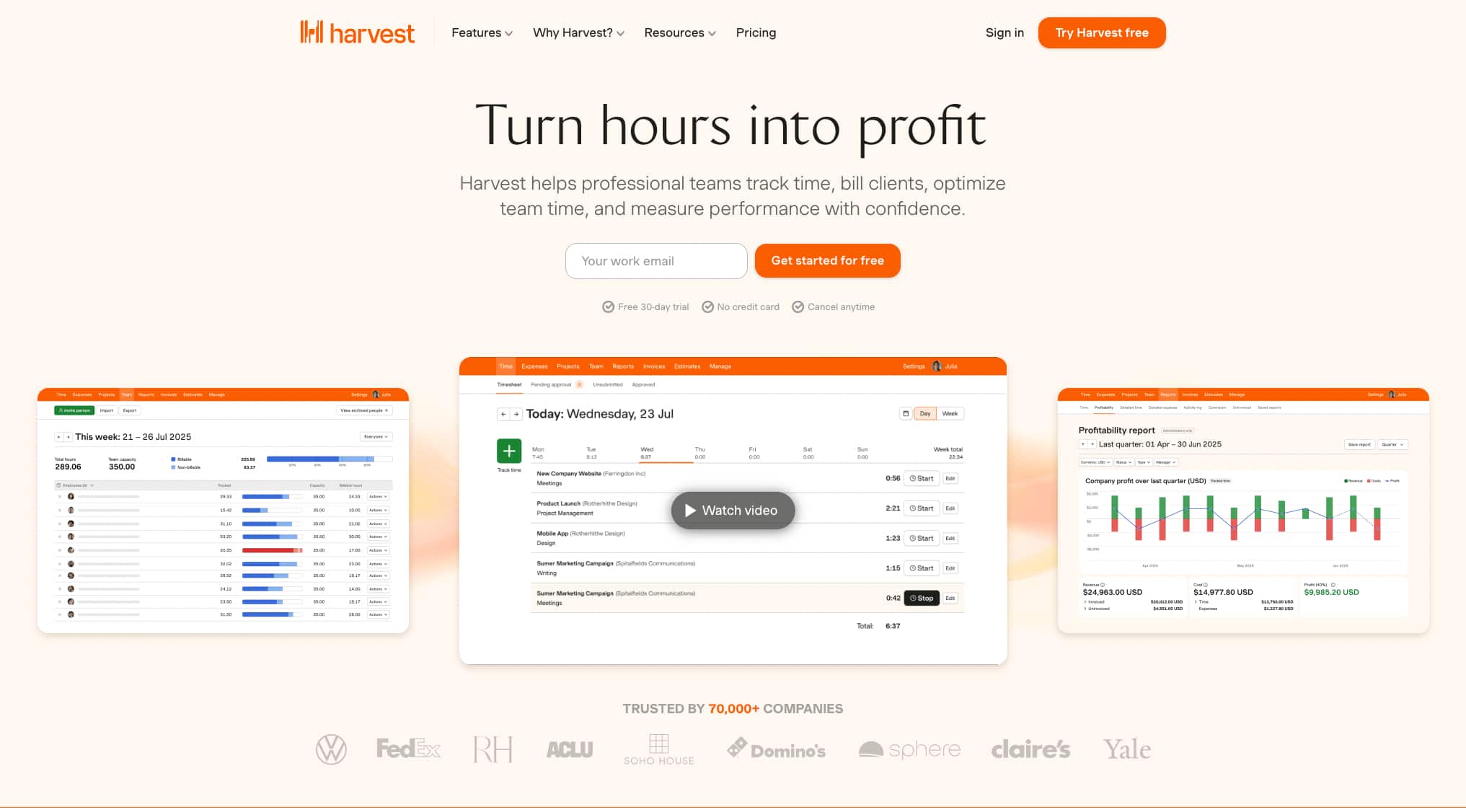
Harvest takes it a step further with invoicing built in, which helps. But the client experience is identical — they get an invoice at the end of the month and see the total for the first time. No visibility during the month.
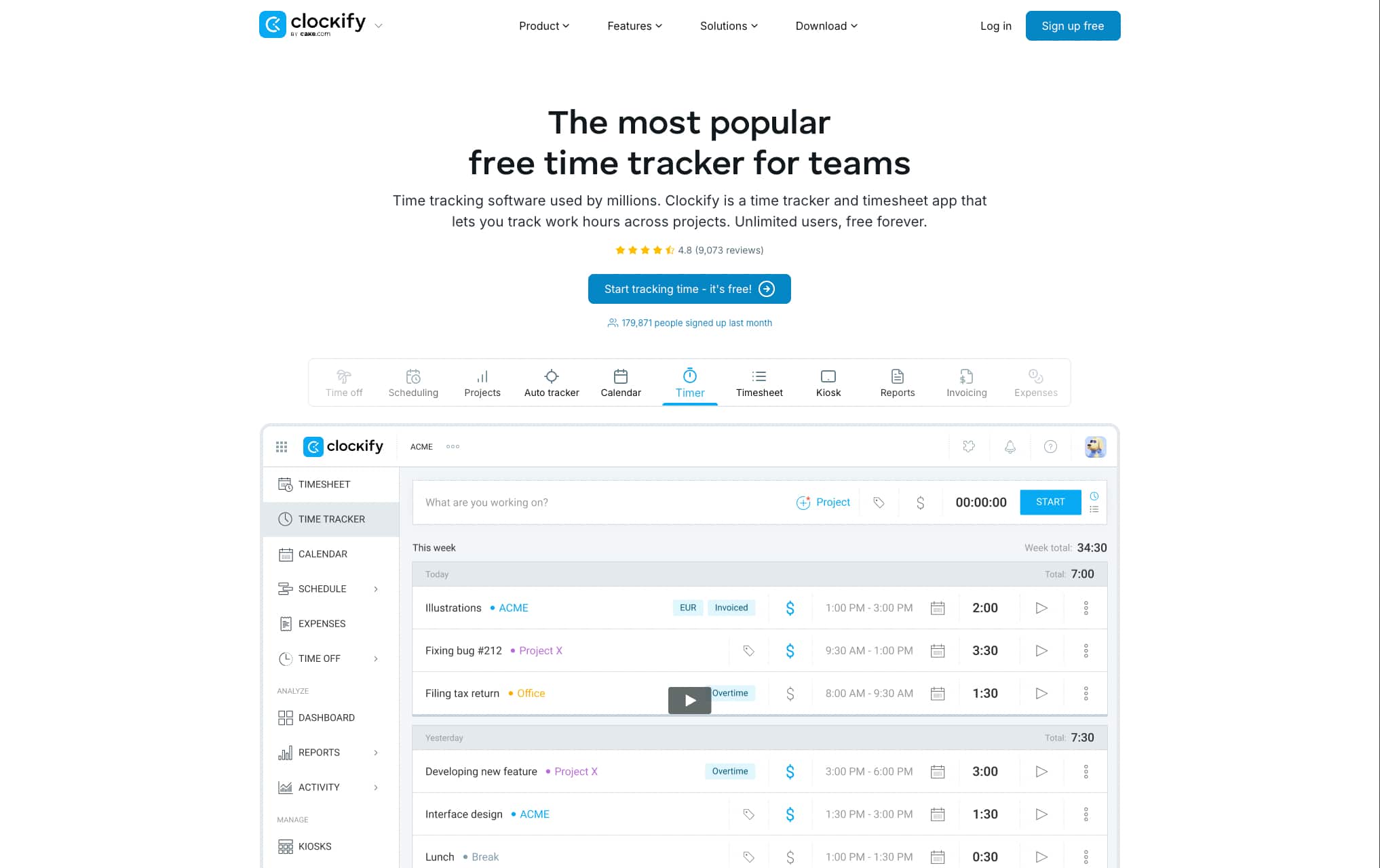
Clockify is the free option most people land on. Same problem. Built for tracking, not transparency.
Google Sheets is where most freelancers end up when they want something simple. And it works. For about two clients.
Here's what a typical freelancer spreadsheet actually looks like:
| Client | Hours Used | Hours Left | Billing Day | Rate |
|---|---|---|---|---|
| Meridian Studio | 17.5h | 2.5h | 1st | $95/hr |
| Blackwood Co | 8h | 22h | 15th | $110/hr |
| Nova Agency | 31h | -1h | 28th | $85/hr |
It looks organised. Until you realise the Nova Agency row has negative hours — which means you've been doing work for free — and you're not even sure if Wednesday's session got logged.
The moment it breaks
The spreadsheet system doesn't fail dramatically. It just slowly costs you more and more time and money until you notice.
It breaks when you send an invoice for the wrong amount because you forgot to log two sessions. It breaks when a client asks how many hours they have left and you have to say "let me check and get back to you." It breaks when you have five clients instead of two.
Most freelancers don't notice the breaking point until after it's happened. The invoice goes out, the client pushes back, and you spend an hour digging through Toggl exports trying to reconstruct what you actually did.
What the tracking-to-invoice flow actually looks like today
Here's the honest version of how retainer billing works for most freelancers:
- Work throughout the month, logging time in Toggl or similar
- End of month arrives
- Export a CSV or PDF from your time tracker
- Open your spreadsheet, copy the numbers over manually
- Calculate overage manually
- Open your invoicing tool — FreshBooks, Wave, whatever — and build the invoice
- Send it
- Client gets surprised by the number
- Client asks questions
- Spend 30 minutes explaining
Steps 3 through 10 are all manual, all error-prone, and completely invisible to your client until the very last step. That's the real problem.
The transparency gap nobody is solving
Every time tracking tool on the market — Toggl, Harvest, Clockify, even the big ones — treats the client as a recipient, not a participant. For a detailed comparison, see best Toggl alternatives for freelancers.
You do the work. You track the time. You send the invoice. The client receives it and reacts.
There is no tool that gives the client a live window into the retainer as it's happening. No way for them to log in and see "14 hours used, 6 remaining, projected invoice $1,330." Without emailing you. Without waiting for a report.
That gap is what Retallio is built to fill. You can also read about what a client portal actually is and why it matters for solo freelancers.
What a live portal actually changes
When your client has a live portal, the entire dynamic of the relationship shifts.
They stop being surprised. They've been watching the hours build. They saw the 4 hour session on Tuesday. They saw the work logged on Thursday. When the invoice arrives, they've already done the math themselves.
They stop questioning. Not because they trust you more as a person, but because they have evidence. They watched it happen in real time. There's nothing to dispute.
They start budgeting better. When clients can see where they are mid-month, they make smarter decisions about scope. Some will say "we're close to the limit, let's push that to next month." That's a better conversation than discovering overage after the fact.
The simple version
If you're managing one or two retainer clients and the spreadsheet is working — keep going. Don't fix what isn't broken.
If you're at three or more, or if you've had the invoice conversation one too many times, it's worth using something built specifically for retainer work. Not a generic time tracker. Not a spreadsheet. Something where the client is part of the process, not just the person who gets the invoice at the end.
That's what Retallio does. You track time, your client gets a live portal, and by the time you send the invoice they've been watching it build all month.
First client is free, no credit card required. Add a client and see what the portal looks like from their side.